How Alpine Zone Adaptation Research Is Reshaping Survival and Performance in Extreme Environments
At 12,000 feet, where oxygen thins and temperatures drop without warning, a team of researchers in the Swiss Alps recently tested a new breathing mask designed to simulate high-altitude conditions. The device, still in prototype form, aims to mimic the physiological stress of trekking above 8,000 meters—stress that forces the body to adapt or fail. This isn’t just academic curiosity; it’s the kind of alpine zone adaptation research that’s now being adopted by mountaineers, military units, and even astronaut training programs. The question isn’t whether extreme environments will demand better solutions, but how quickly we can develop them—and whether they’ll work when it matters most.
Why the Alps Are the World’s Best-Lab for Extreme Adaptation
The Alps aren’t just a playground for hikers; they’re a living laboratory for studying how humans push their limits. Unlike controlled labs, alpine conditions vary by season, elevation, and microclimate, forcing researchers to test solutions in real time. A study from the University of Zurich found that climbers acclimatizing at 2,500 meters still experience cognitive decline at 4,000 meters—proof that adaptation isn’t linear. This unpredictability makes the Alps ideal for projects that blend physiology, engineering, and survival tactics.
Key Projects Bridging Research and Real-World Use
From military gear to commercial trekking gear, alpine adaptation research has already yielded practical tools. One standout example is the development of hypoxic training masks, which simulate altitude by restricting airflow. Used by the U.S. Army’s Mountain Warfare School, these masks help soldiers train for deployments in the Himalayas or Afghanistan. Meanwhile, outdoor brands like Patagonia and The North Face collaborate with researchers to refine fabrics that regulate temperature and moisture—critical for multi-day expeditions where failure isn’t an option.
What Makes a Project Worth Investing In?
Not all alpine adaptation research delivers. Here’s how to spot the projects that will actually change the game:
- Field-Tested, Not Just Lab-Tested: Solutions like the breathing mask mentioned earlier were stress-tested in actual alpine conditions, not just in a lab. Look for projects with real-world deployment logs.
- Multi-Disciplinary Teams: The best work comes from collaborations between physiologists, engineers, and endurance athletes. A solo researcher might uncover a theory, but a team can turn it into a product.
- Scalability: Can the solution be mass-produced without sacrificing performance? Military gear often works in prototypes but flops when scaled up. Check for partnerships with manufacturers.
The Hidden Costs of Ignoring Adaptation Science
Every year, climbers and hikers underestimate altitude sickness, leading to emergency evacuations or worse. A 2022 study in the Journal of Altitude Medicine found that 30% of trekkers on the Inca Trail (3,400 meters) reported symptoms of acute mountain sickness—yet many dismissed it as "just fatigue." The lesson? Relying on anecdotes or outdated advice can be deadly. Projects that prioritize prevention—like gradual acclimatization algorithms or real-time oxygen monitoring—save lives and save time.
Where to Find the Latest Breakthroughs
If you’re looking to stay ahead, follow these sources:
- Conferences: The International Symposium on Mountain Medicine (held annually in Europe) showcases cutting-edge research.
- Universities: Institutions like the University of Colorado’s High Altitude Institute publish accessible summaries of their work.
- Outdoor Brands: Brands like La Sportiva and Black Diamond often fund or partner with research teams.
Alpine adaptation research isn’t just for experts—it’s becoming essential for anyone who ventures beyond sea level. The difference between a successful expedition and a disaster often comes down to whether you’re using science-backed tools or guesswork. As climbers, soldiers, and even urban adventurers push higher, the projects that bridge research and reality will decide who survives—and who doesn’t.
Sinus Arrhythmia On ECG
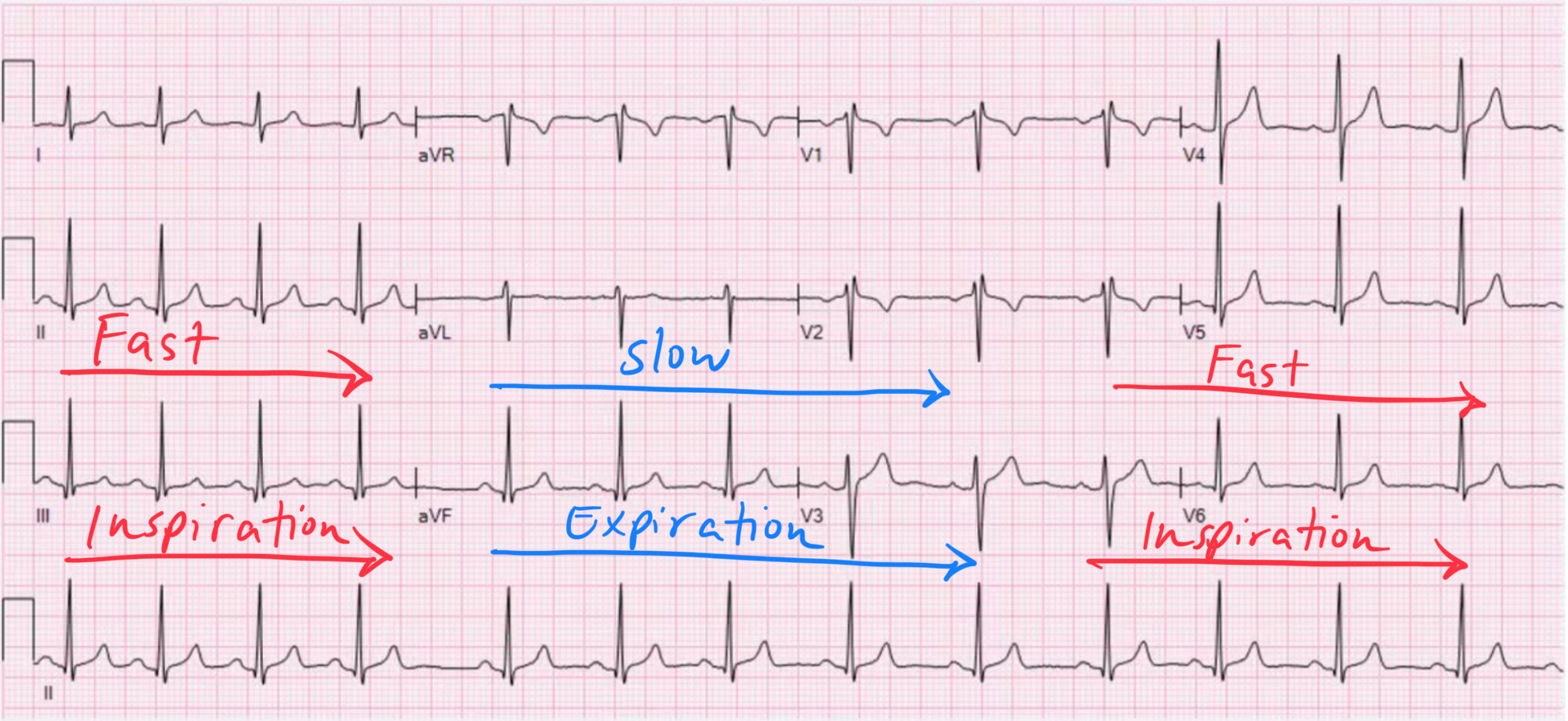
Sinus Arrhythmia on ECG